Idaho’s new $24M NSF EPSCoR RII project, I-CREWS, aims to address the impact of climate, population, and technological change on energy-water (E-W) systems.

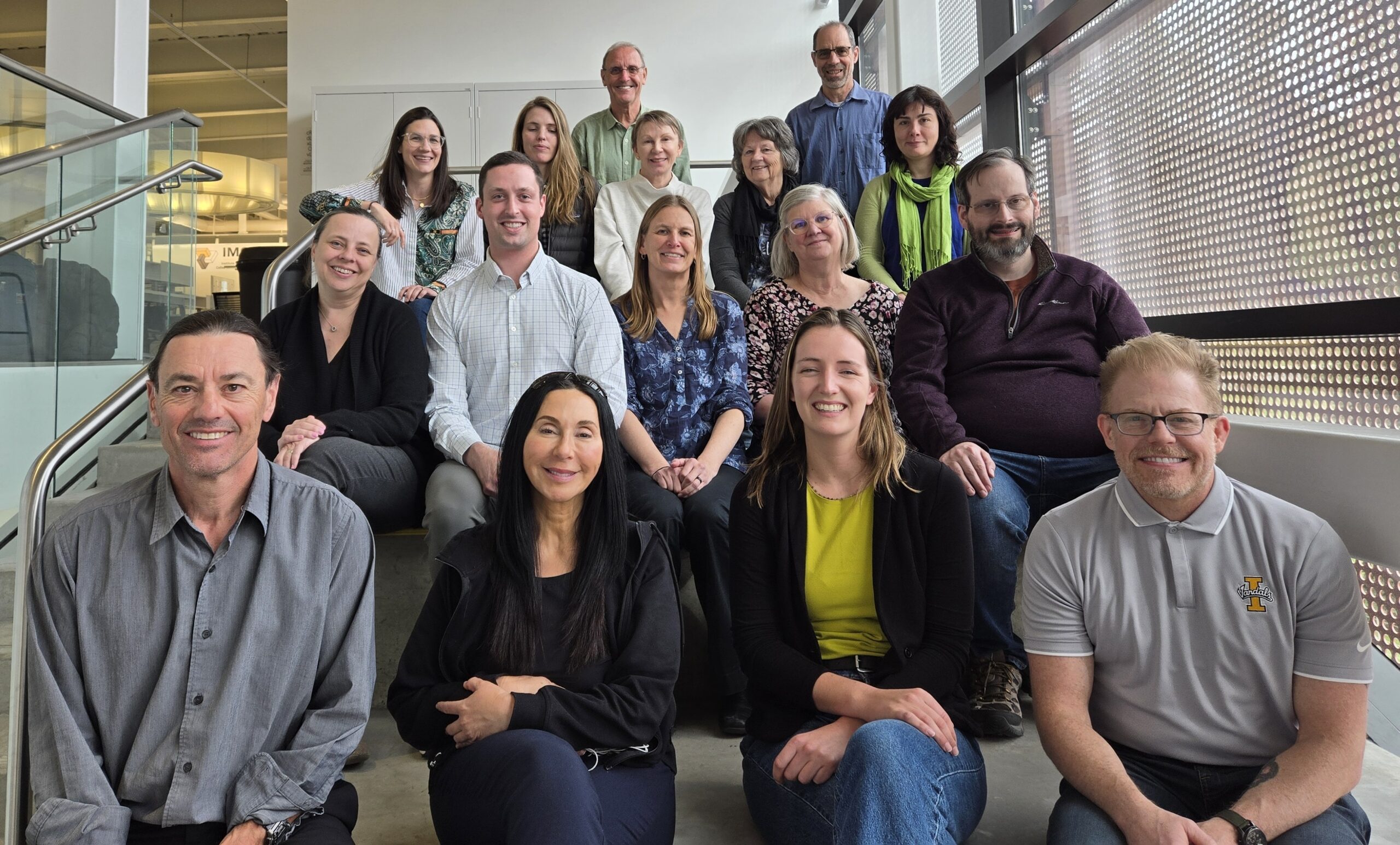
I-CREWS integrates local knowledge, governance dynamics, and advanced modeling. It involves over 35 core university and college faculty, plus 8 new early-career hires, 10 postdocs, and 20 graduate students while supporting 31 Vertically and Community Integrated Projects designed to reach over 500 students and community members.

Idaho’s new $24M NSF EPSCoR RII project, I-CREWS, aims to address the impact of climate, population, and technological change on energy-water (E-W) systems. Read More »

News

Vandal Theory Podcast on Idaho Health Modeling, Featuring Erich Seamon

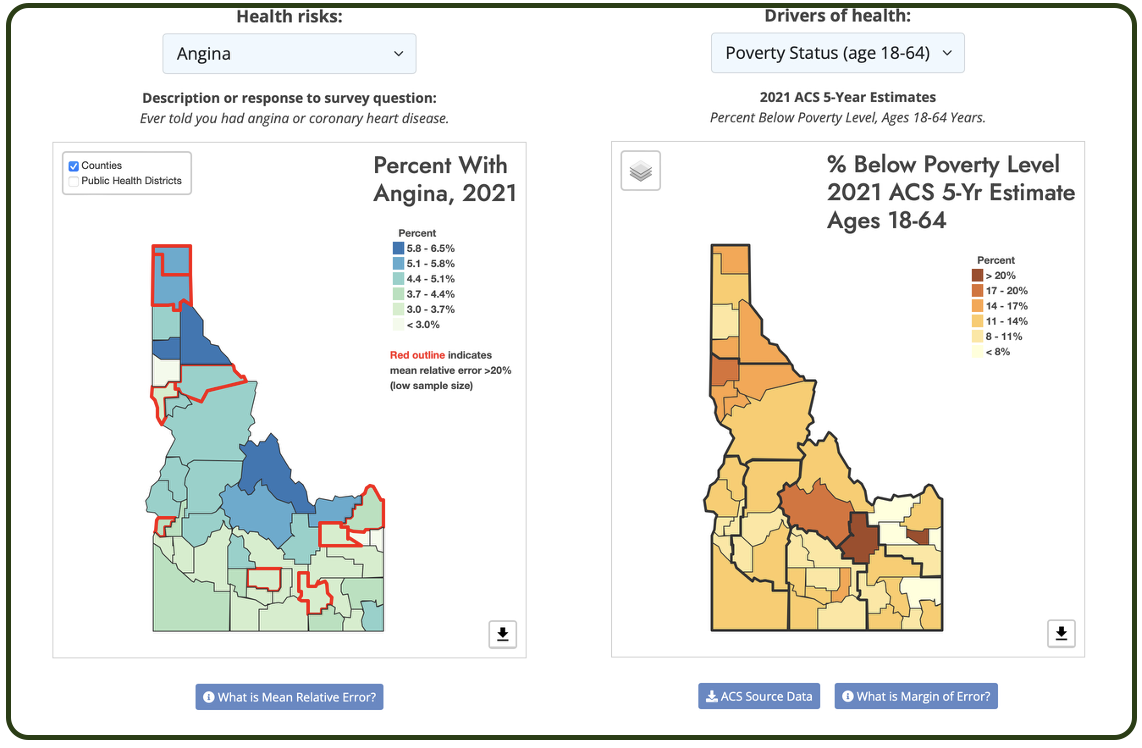
Meet Helen Brown (bit.ly/3LVBSx7 ), a clinical associate professor in the Department of Movement Sciences (bit.ly/3TRb6YS) at University of Idaho, and Erich Seamon (bit.ly/3FQOt0z), a research scientist in the Institute for Modeling Collaboration and Innovation (bit.ly/3JPAg5n). They’ve teamed up to track and publish data about health trends in Idaho. Before their project, this information was only

Vandal Theory Podcast on Idaho Health Modeling, Featuring Erich Seamon Read More »

News

Spatial Microsimulation paper Published in Population, Space and Place (2023)

Our recent work to use spatial microsimulation techniques to estimate health parameters in the state of Idaho is now accessible in the journal, Population, Space and Place. Our BRFSS modeling work uses population synthesis and microsimulation techniques to estimate health indicators at a county level. Our recent focus has been on applications to data for the

Spatial Microsimulation paper Published in Population, Space and Place (2023) Read More »

News